As an Amazon Associate this site earns from qualifying purchases.
Quick Picks
These are the three gear-care and court accessories covered in this guide, drawn from the product records available to this website.
| Product | What the listing says it does | Best for |
|---|---|---|
| Professor Pickleball Carbon Cleaner, Premium Pickleball Paddle Eraser for Raw Carbon Fiber Paddles | Soft rubber block that lifts ball residue, dirt and grime off raw carbon fiber paddle faces | Anyone playing with a raw carbon fiber paddle |
| PickGrip Pickleball Paddle Enhanced Grip Shock Absorbing Comfort | Reusable pull-on silicone replacement grip with a hexagonal, beveled shape | Players whose original grip has gone slick or hard |
| Pickleball Ball Retriever | Silicone suction-cup ball picker that the listing says is compatible with most standard pickleball rackets | Picking up balls without bending down during drills |
Disclosure: We earn a small commission from qualifying Amazon purchases at no extra cost to you.
Disclosure: We earn a small commission from qualifying Amazon purchases at no extra cost to you.
As an Amazon Associate, we earn from qualifying purchases.Last Updated: September 2026
Here's the short answer: most pickleball gear doesn't wear out so much as it gets neglected. A paddle face goes slick because ball residue fills the texture. A portable net corrodes because it went into its bag damp. Court tape tears into a hundred pieces because it was ripped up cold and fast. Shoes reek because they sat sealed in a hot trunk overnight. Fix those four habits and the rest of your kit care is trivial.
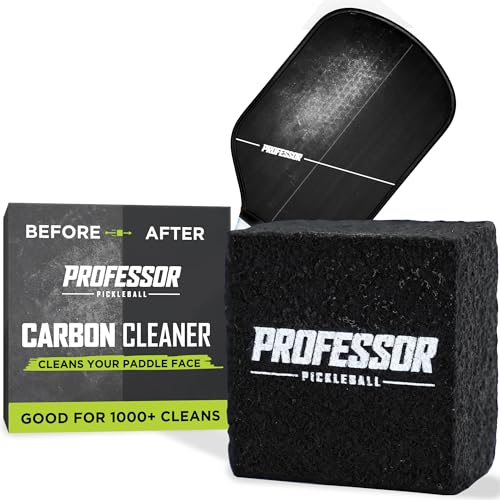
- EASY PADDLE CLEANING: Our soft rubber block easily removes pickleball residue, dirt, and grime from the surface of any raw carbon fiber pickleball paddle. With just a few swipes
- REGAIN BALL SPIN: Removing paddle residue on the face unclogs the raw carbon fiber pours, causing more friction against the ball on impact. This brings back more ball spin, and
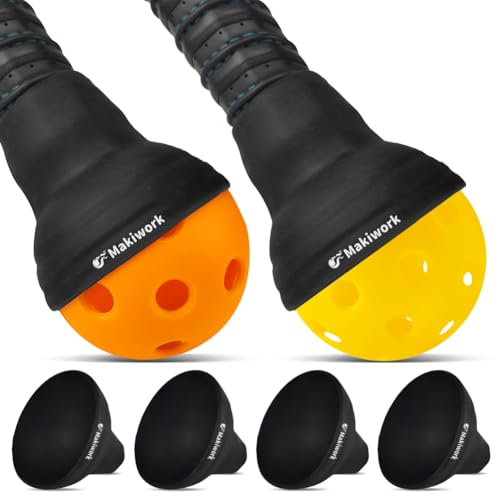
- Durable and Lightweight Design: The Pickleball Ball Retriever is crafted with a high-grade silicone material, ensuring long-lasting durability while remaining incredibly
- Ergonomic Protection: Designed with your comfort in mind, this ball retriever features an ergonomic design that protects your waist and back from unnecessary strain during playing
The 60-Second Care Routine
- After every session: wipe the paddle face and handle dry before it goes in the bag.
- Before you drive home: wipe down net posts and frame tubes, and shake water out of the net bag.
- Same evening: pull shoe insoles, loosen laces, and let both air out at room temperature.
- Weekly: check grip wear, inspect the paddle edge guard, and look for grit ground into the shoe outsole.
- Never: store a paddle, net or shoes in a hot car, a freezing garage, or a zipped bag while damp.
Step-by-Step: How to Take Care of a Pickleball Paddle
- Wipe the face after play, not after a month. Residue builds up in layers, and the longer it sits the more scrubbing it takes.
- Match the cleaning method to the face material. Raw carbon fiber, painted composite and fiberglass do not respond the same way, and a product built for one may be explicitly ruled out for another.
- Dry the handle and butt cap. Sweat wicks down into the grip layers and stays there.
- Inspect the edge guard. A lifting edge guard is the early warning that the paddle took a hit.
- Store it flat, indoors, in a cover. Not leaning against a wall, not in a car footwell.
Professor Pickleball Carbon Cleaner — Best for raw carbon fiber paddle faces
Professor Pickleball's listing describes the Carbon Cleaner as a soft rubber block that removes pickleball residue, dirt and grime from the surface of any raw carbon fiber pickleball paddle, and the same listing claims the eraser also lifts marks and scuffs from those faces; both are the seller's claims. The brand's stated mechanism is that removing residue unclogs the raw carbon fiber pores, creating more friction against the ball on impact and bringing back spin. The listing rates the block as good for at least 1000 cleans, and names Professor, Joola, Six Zero, CRBN, Vatic, Selkirk, Legacy, SLK, Electrum, Diadem, PROKENNEX, Gearbox and Ronbus as brands whose raw carbon fiber faced paddles it works on, along with any other raw carbon fiber faced pickleball paddles; fiberglass faced paddles are excluded.
Read that spin claim as the manufacturer's explanation, not a measured result. What the specification does reasonably imply: if your paddle's grit has faded and the face is visibly marked, the cause may be residue rather than worn texture, and a residue eraser is the cheap thing to try before replacing a paddle. The compatibility line is also a real limit, not fine print. Fiberglass faces are excluded by the brand itself.
PickGrip Pickleball Paddle Enhanced Grip Shock Absorbing Comfort Control Anti Fatigue Replacement Vibration Dampening Tennis Elbow Performance Handle (White, Standard) — Best for replacing a worn-out handle grip
Grip care has a hard ceiling: eventually the original wrap goes hard, slick, or both, and no amount of wiping brings it back. PickGrip's listing describes an ergonomic hexagonal shape with elevated bevels that absorbs shock and reduces vibration, made from premium silicone, in a standard grip length of 5 inches and an elongated grip length of 5.75 inches that the listing says accommodates longer handles. The manufacturer calls it reusable, with a flexible pull-on design, and recommends pairing it with an overgrip for maximum performance.
The supplied record for the PickGrip Pickleball Paddle Enhanced Grip Shock Absorbing Comfort Control Anti Fatigue Replacement Vibration Dampening Tennis Elbow Performance Handle (White, Standard) states that you choose between a standard length of 5 inches and an elongated version of 5.75 inches to accommodate longer handles. Those figures are the grip's own lengths; the record does not publish a handle-length compatibility range, so which size suits your paddle is a fit question for the seller. The vibration and tennis elbow language in the product name is a marketing framing, not a clinical finding; treat it that way.
Pickleball Ball Retriever - Silicone Pickleball Grabber and Picker - Universal Suction Cup - Accessory to Pick Up Balls - Fits All Standard Paddles - Pickleball Ball Picker — Best for picking up balls without bending down
Be clear about what this is: an on-court convenience accessory, not a maintenance product. Its care relevance is indirect, and the supplied listing makes no claim about court conditions or about protecting your paddle. The listing describes a high-grade silicone build that is lightweight, with a universal suction cup, and says the Pickleball Ball Retriever is compatible with most standard pickleball rackets. The seller's stated benefit is an ergonomic design meant to protect your waist and back from strain while retrieving balls.
If you run drills with a hopper of balls, that adds up. If you play three casual games a week, it doesn't.
Storing a Portable Pickleball Net
The failure point on a portable net is almost never the netting. It's the metal and the bag.
- Break the net down before you coil the netting, so you're not pulling tension against a half-assembled frame.
- Wipe every tube dry, especially the ends, where water pools inside.
- Store tubes loose or lightly bundled rather than crushed into a bag under other gear.
- Keep the whole bag indoors and off a concrete floor, which stays damp longer than you expect.
- Note which pole goes where when you disassemble; a stressed frame usually traces back to forced assembly.
Removing Pickleball Court Tape
Work with warmth and go slow. Pull tape on a warm afternoon rather than a cold morning, lift a corner with a plastic scraper instead of a metal blade, and peel back at a low angle rather than straight up. Peeling straight up is what shears the tape and leaves half of it stuck to the surface. Any residue remover should be tested on a hidden patch first, because the surface matters more than the tape does. Sealed asphalt, raw concrete and gym flooring all react differently, and gym floor finishes in particular are worth checking with the facility before you apply a solvent.
How to Clean Pickleball Shoes
Brush the outsole dry first to knock out embedded grit, then clean uppers with mild soap and cool water and a soft brush. Pull the insoles and laces out and dry them separately. Air dry away from direct heat, since heat sources are what warp midsoles and loosen adhesives. Never put court shoes in a dryer. Stuffing them loosely with paper helps them hold shape while they dry, and rotating between two pairs gives each one a full day to dry out, which is the single best defense against odor.
Paddle Cover and Backpack Storage
A paddle cover does two jobs: it keeps the face from rubbing against zippers and water bottles, and it stops residue from transferring to your other gear. Use a dedicated padded paddle sleeve in your backpack rather than dropping the paddle into the main compartment with shoes. Store wet clothing in a separate vented pocket. And unpack the bag at home. A backpack left packed is a sealed humidity box.
Common Mistakes to Avoid
- Using an abrasive household scrubber or a harsh solvent on a paddle face.
- Using a raw carbon fiber eraser on a fiberglass face, which the manufacturer excludes.
- Zipping a damp net or damp shoes into a bag for the drive home.
- Ripping court tape up cold and fast.
- Drying shoes on a radiator or in a dryer.
- Leaving gear in a parked car in summer heat.
How We Research
This website does not do product research. For this guide, the product recommendations come from reading the Amazon Creators API verified product records and the product listing feature bullets for each ASIN named above, retrieved on 6 September 2026, and reasoning from what those published specifications do and do not establish. Where a listing states a limit, such as a paddle face material it will not work on, that limit is reported as written rather than smoothed over. Where a figure is the manufacturer's own claim, it is attributed to the manufacturer.
Related Resources
- The U.S. Consumer Product Safety Commission publishes consumer product safety and recall information at cpsc.gov.
- USA.gov's consumer protection pages cover how to report a problem with a product or a seller.
- On this site: choosing a pickleball paddle, pickleball shoes, and portable pickleball nets.
Final Verdict
If you own a raw carbon fiber paddle and your spin has quietly gone flat, the Professor Pickleball Carbon Cleaner is the purchase in this guide aimed at that specific failure mode. The manufacturer claims the block is good for at least 1000 cleans, a seller figure that has not been independently verified. Check Price on Amazon Skip it entirely if your paddle has a fiberglass face, because the manufacturer says it will not work. The PickGrip is a replacement grip rather than a care item; the seller positions it as a long-term replacement grip ideally paired with an overgrip, which is the manufacturer's claim rather than a verified result. The ball retriever is a convenience for drill-heavy players. None of the three replaces the free habits: wipe, dry, and store indoors.
Frequently Asked Questions
Can I use a magic eraser or household cleaner on a paddle face? The supplied listing information does not cover household cleaners, and paddle manufacturers vary in what they approve. Use a product stated to be compatible with your face material, and check with the paddle brand before applying anything else.
Does cleaning a paddle really bring back spin? Professor Pickleball's explanation is that clearing residue unclogs the raw carbon fiber pores, which increases friction against the ball. That is the brand's stated mechanism rather than an independently verified result, though it is consistent with how a textured face grips a ball.
When should I replace a pickleball paddle grip? When it stays slick after drying, has hardened, or has worn through at the heel of your hand. A replacement grip is the fix at that point; cleaning is not.
Is it safe to store a paddle in a car? Treat a parked car as the worst storage option you have in both summer and winter. Composite panels, adhesives and edge guards all live easier at indoor room temperature.
What is the best way to dry pickleball shoes? Remove insoles and laces, then air dry at room temperature away from direct heat. Dryers and radiators are what warp midsoles and loosen glue.
How do I stop court tape from tearing when I remove it? Remove it warm, lift the corner with a plastic scraper, and peel back at a low angle rather than pulling straight up.
Sources & Methodology
Nobody at this website physically handled, wore, cleaned, or lab-rated any of the products named here, and no maintenance routine described above was carried out on our behalf. What informs the product picks is a close reading of each item's Amazon Creators API verified product record and its published listing feature bullets, retrieved on 6 September 2026, with particular attention to stated compatibility limits, materials and sizes. For a gear-care category like this one, that is enough to tell you which tool is designed for which paddle face and which grip sizes are offered, and enough to flag where a manufacturer's spin or fatigue claim is a marketing assertion rather than a verified measurement. It is not enough to tell you how a grip feels in your hand, and this guide does not pretend otherwise.